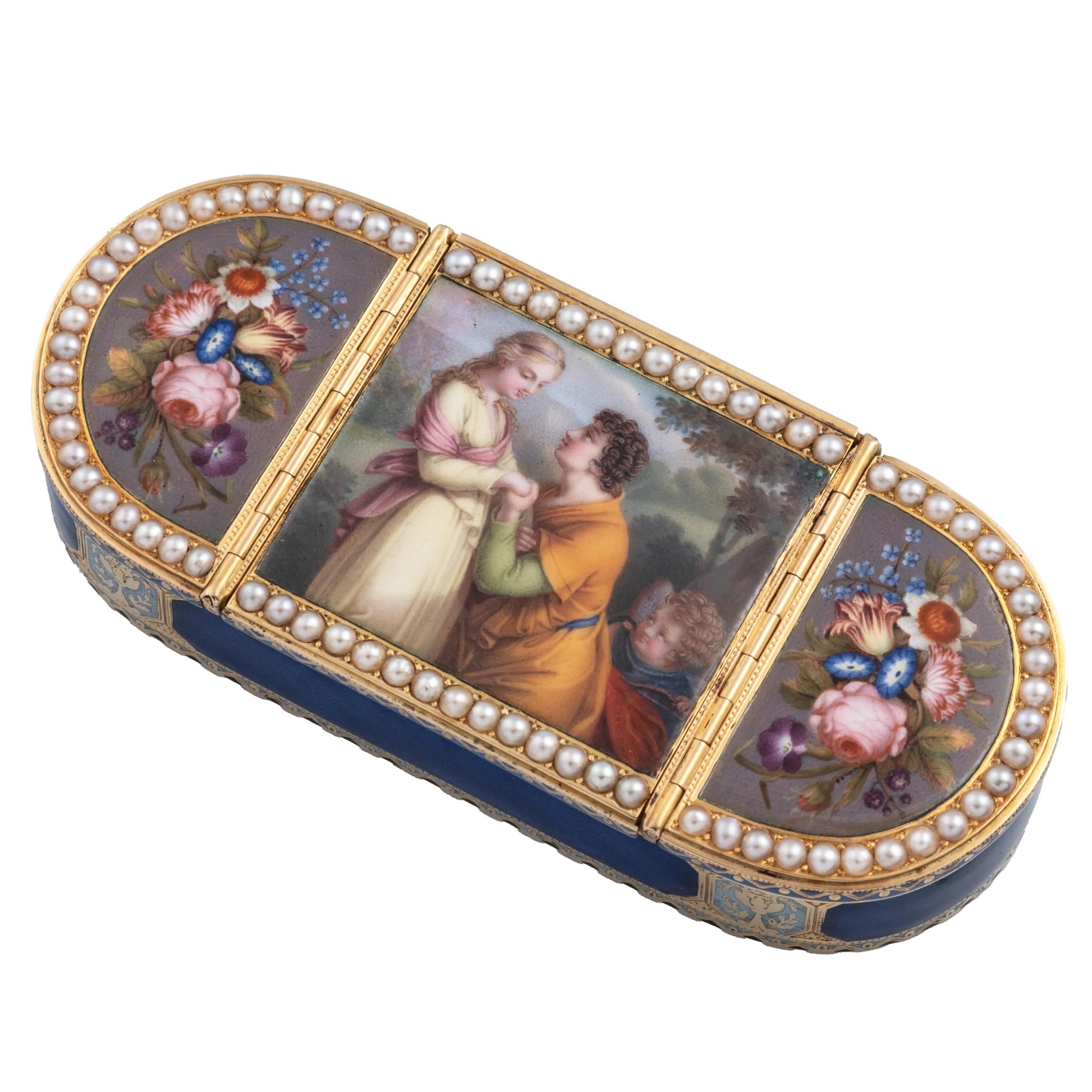
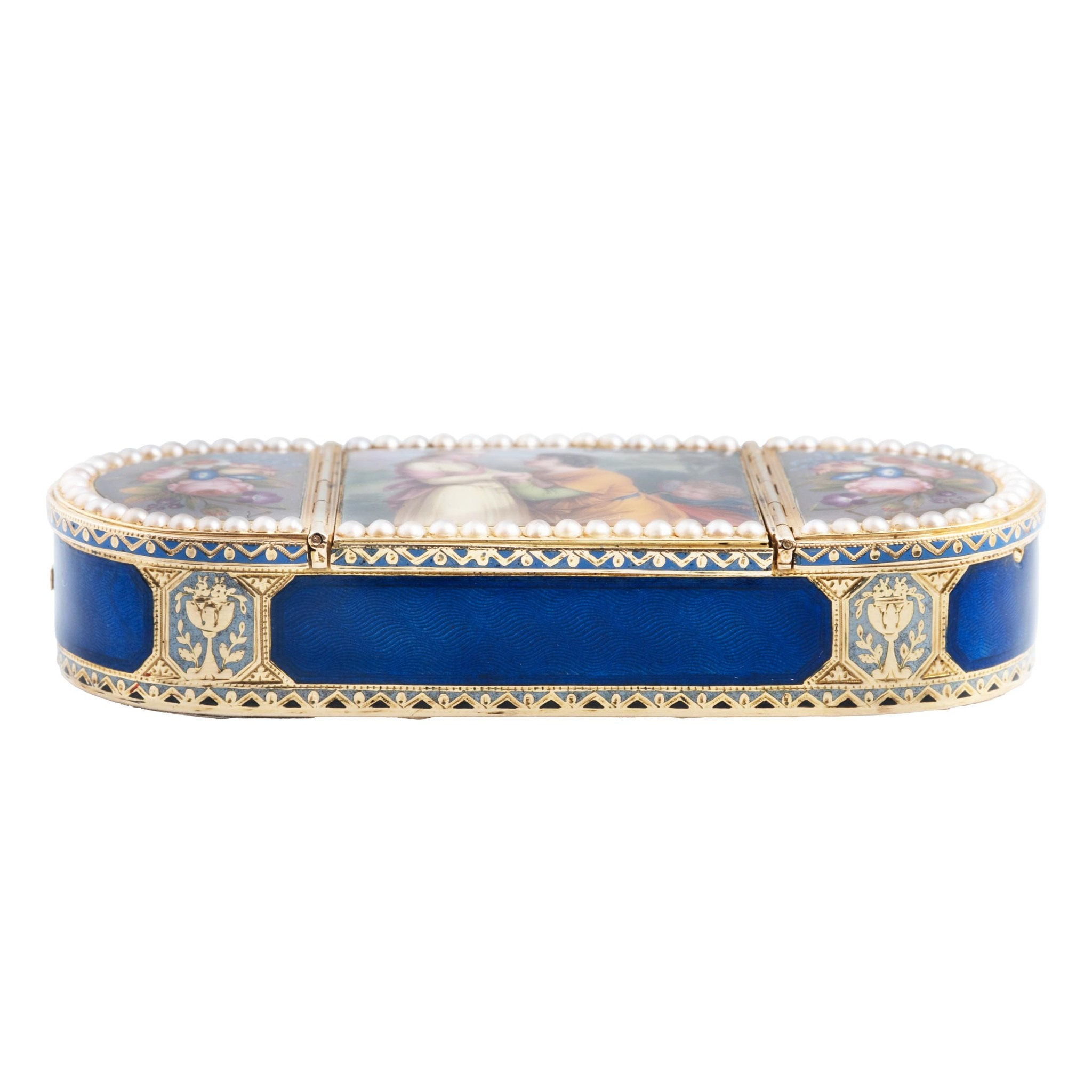
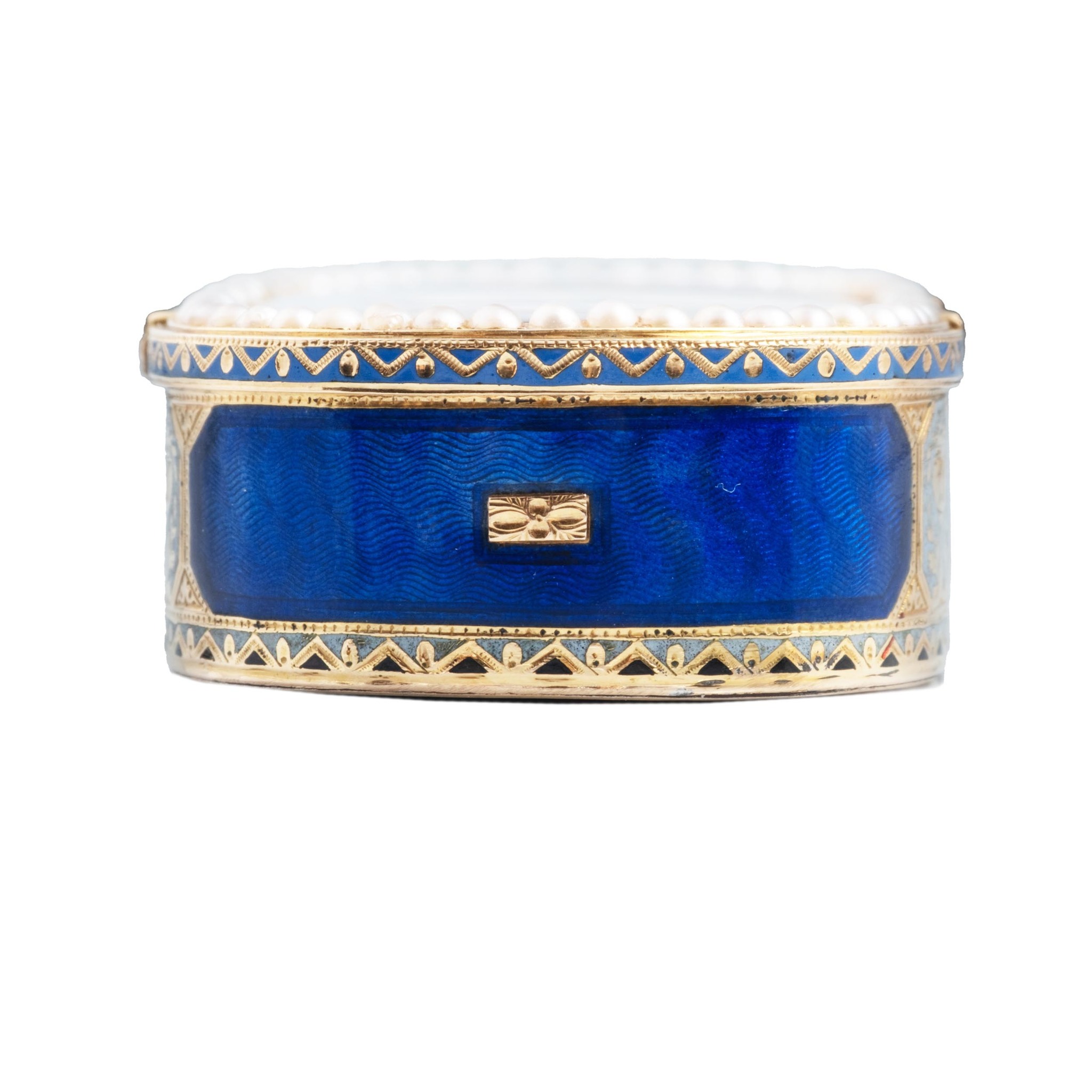
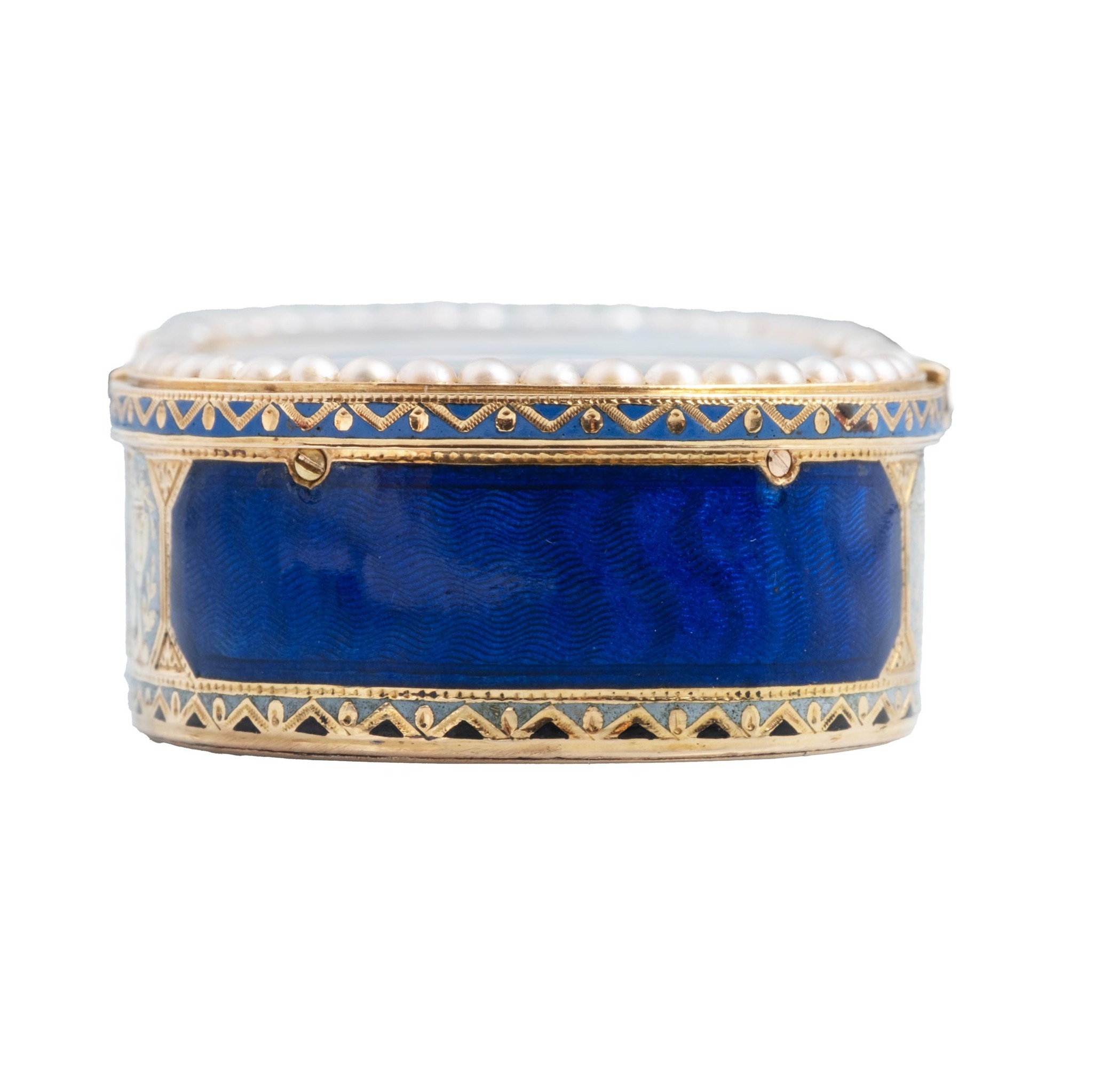
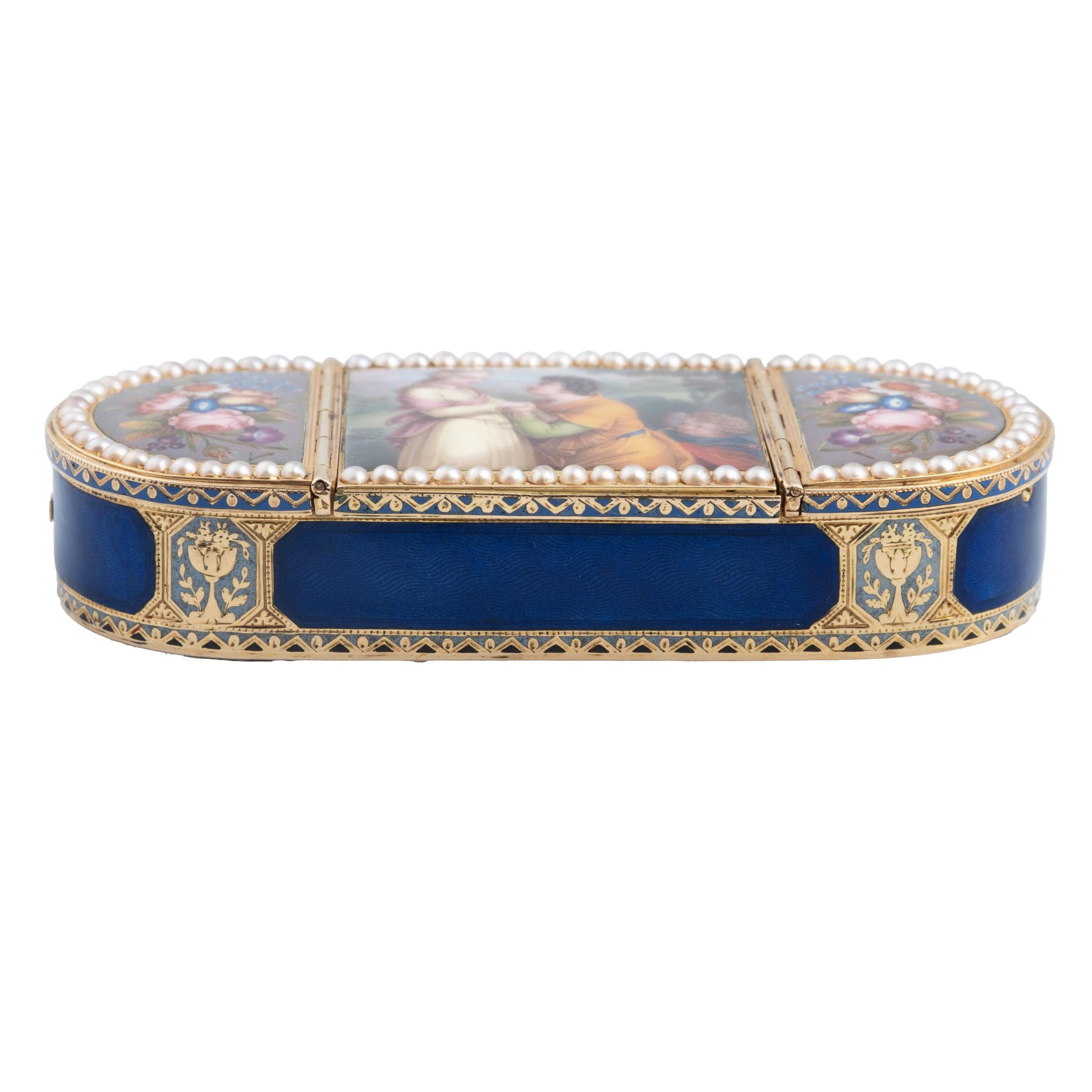
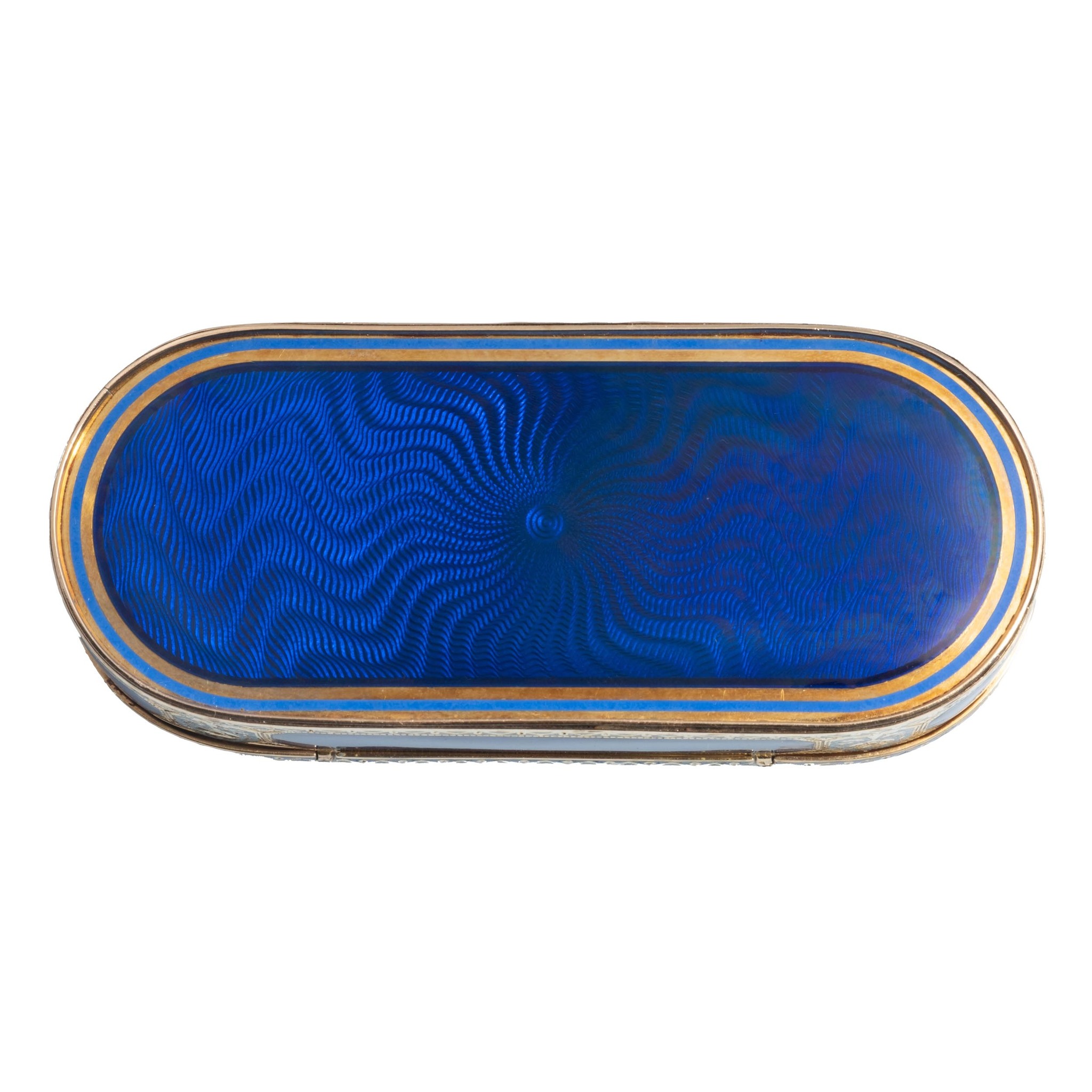
Geneva’s watchmakers and artisans developed during the late 18th and early 19th centuries an exceptional expertise in the creation of luxury objects destined for the Chinese market. Contemporary observers praised the city’s casemakers, jewellers, enamellers, engravers and miniature painters for their ability to combine refined craftsmanship with the tastes of distant markets.
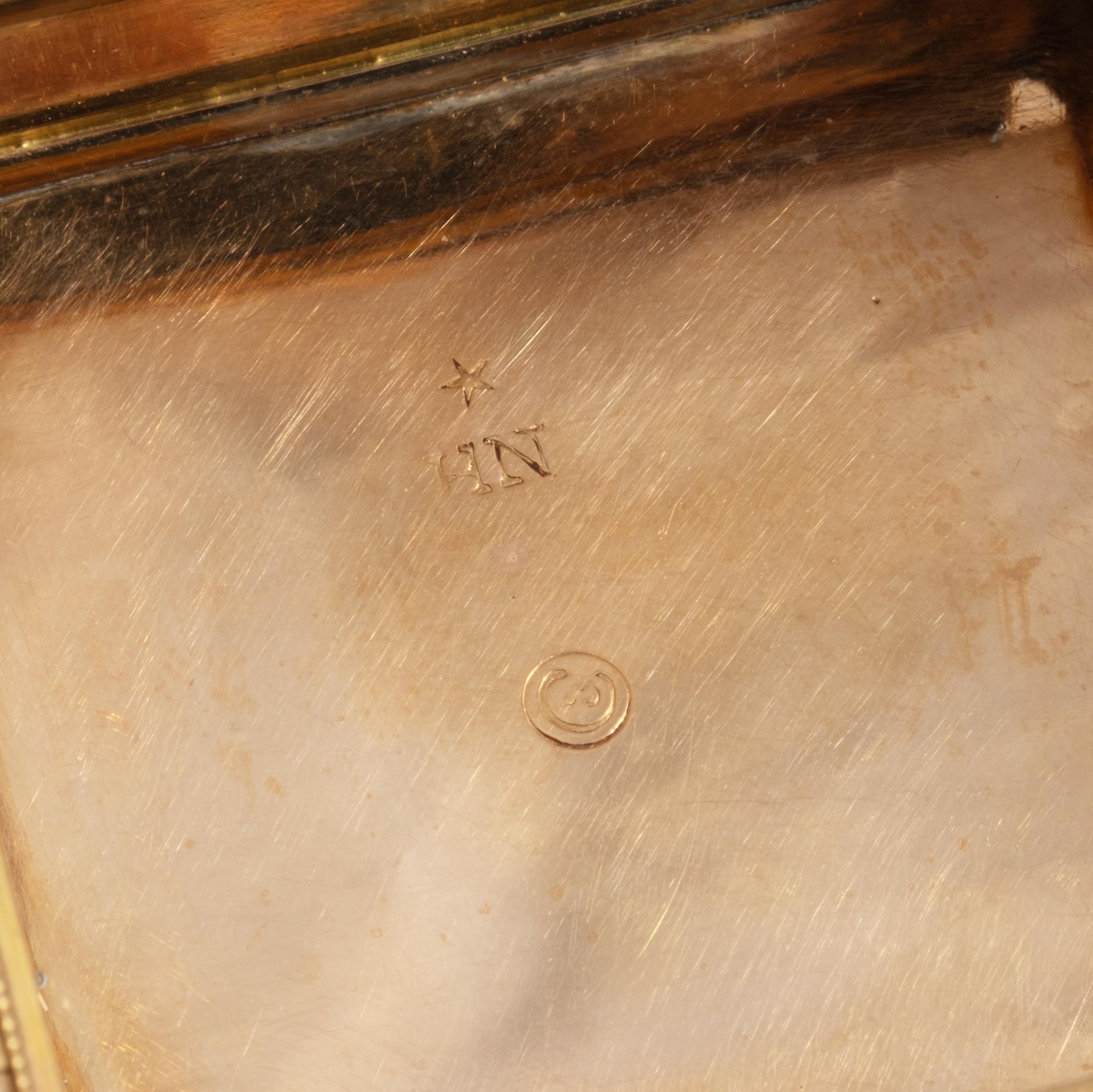
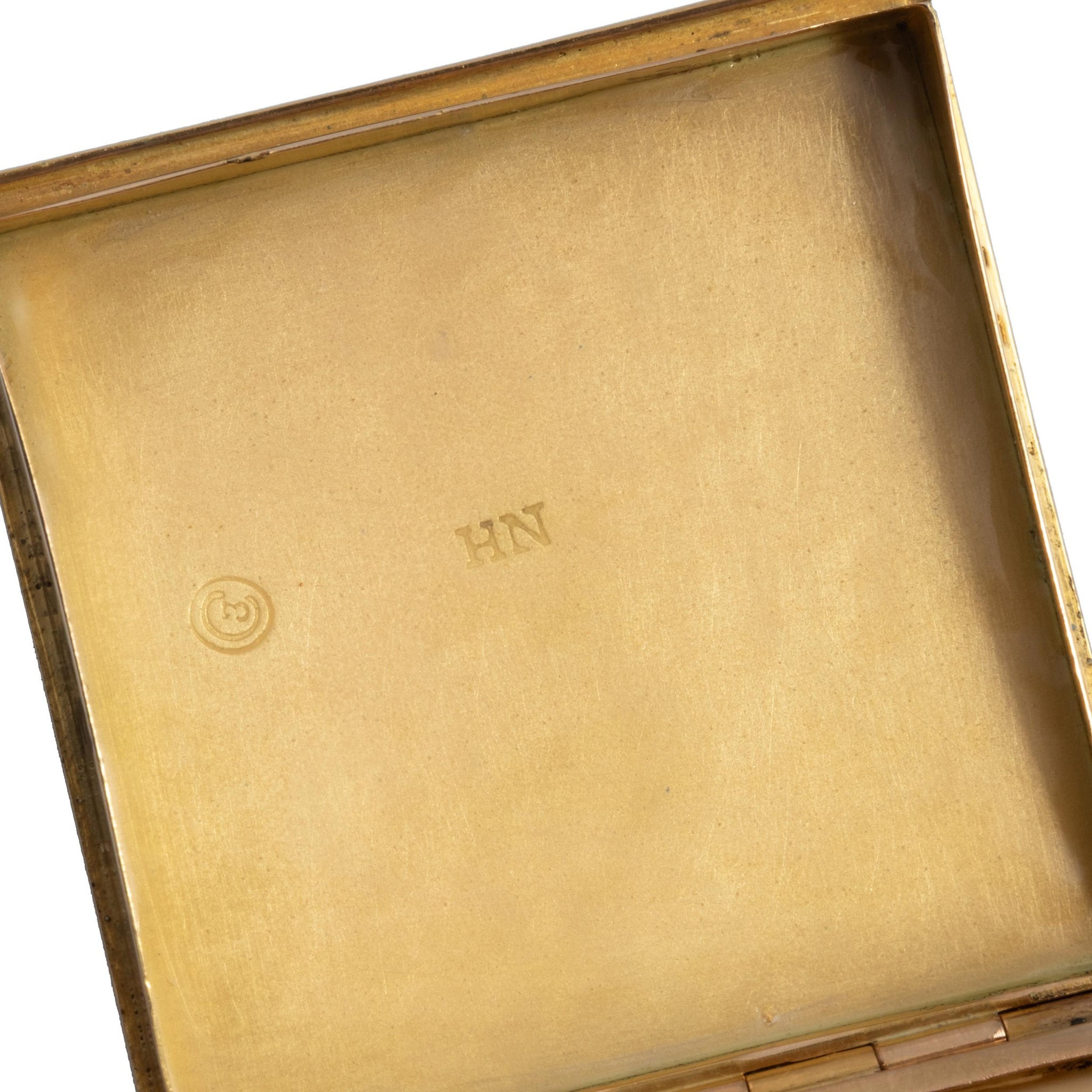
Henri Christian Neisser, one of Geneva’s most talented bijoutiers, settled in Geneva in 1783 and worked for many years in the Saint-Gervais district. He subsequently established his own workshop and became particularly renowned for the quality of his gold and enamel work. His objects were ideally suited to the demanding Far Eastern market, where highly sophisticated musical and automaton pieces were especially prized.
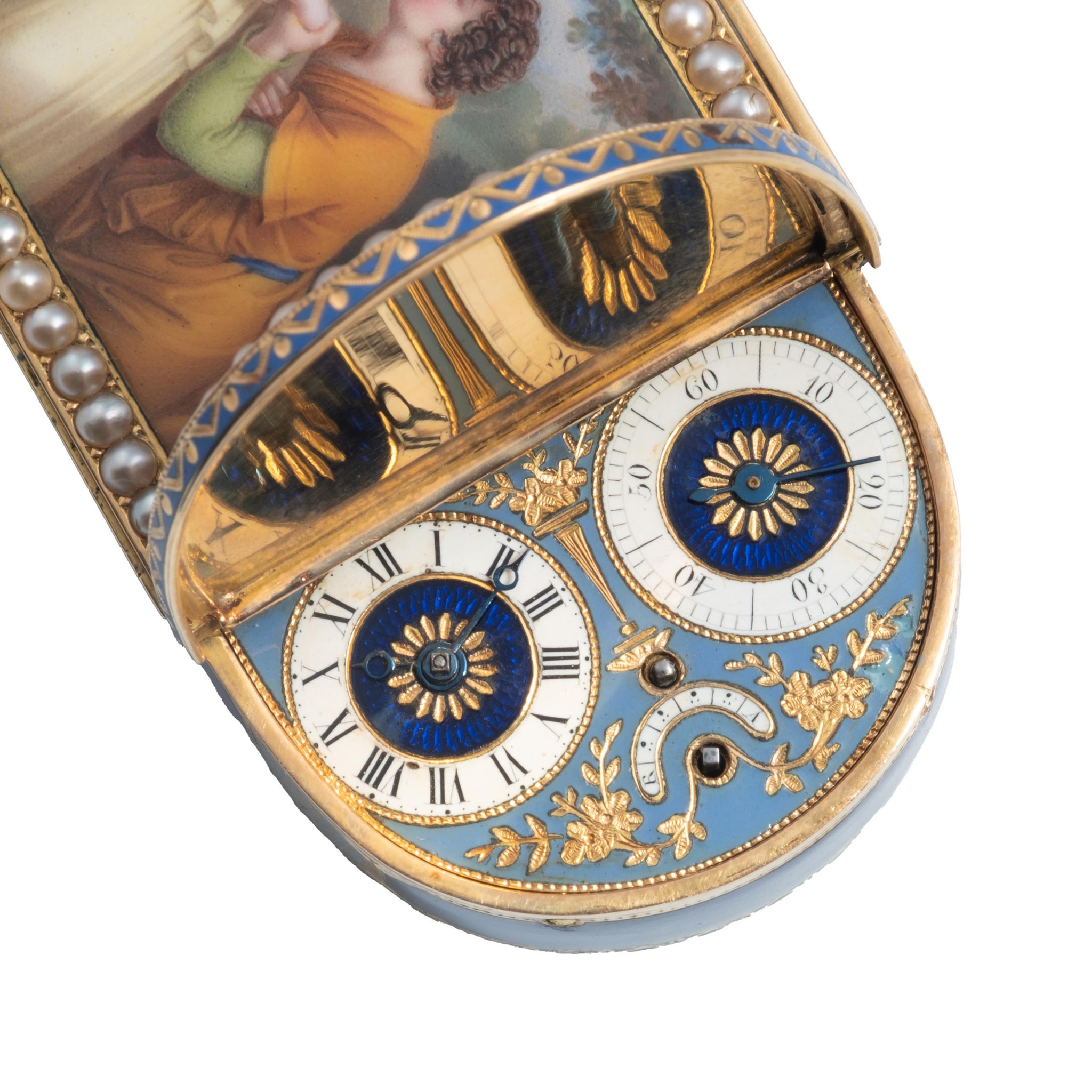
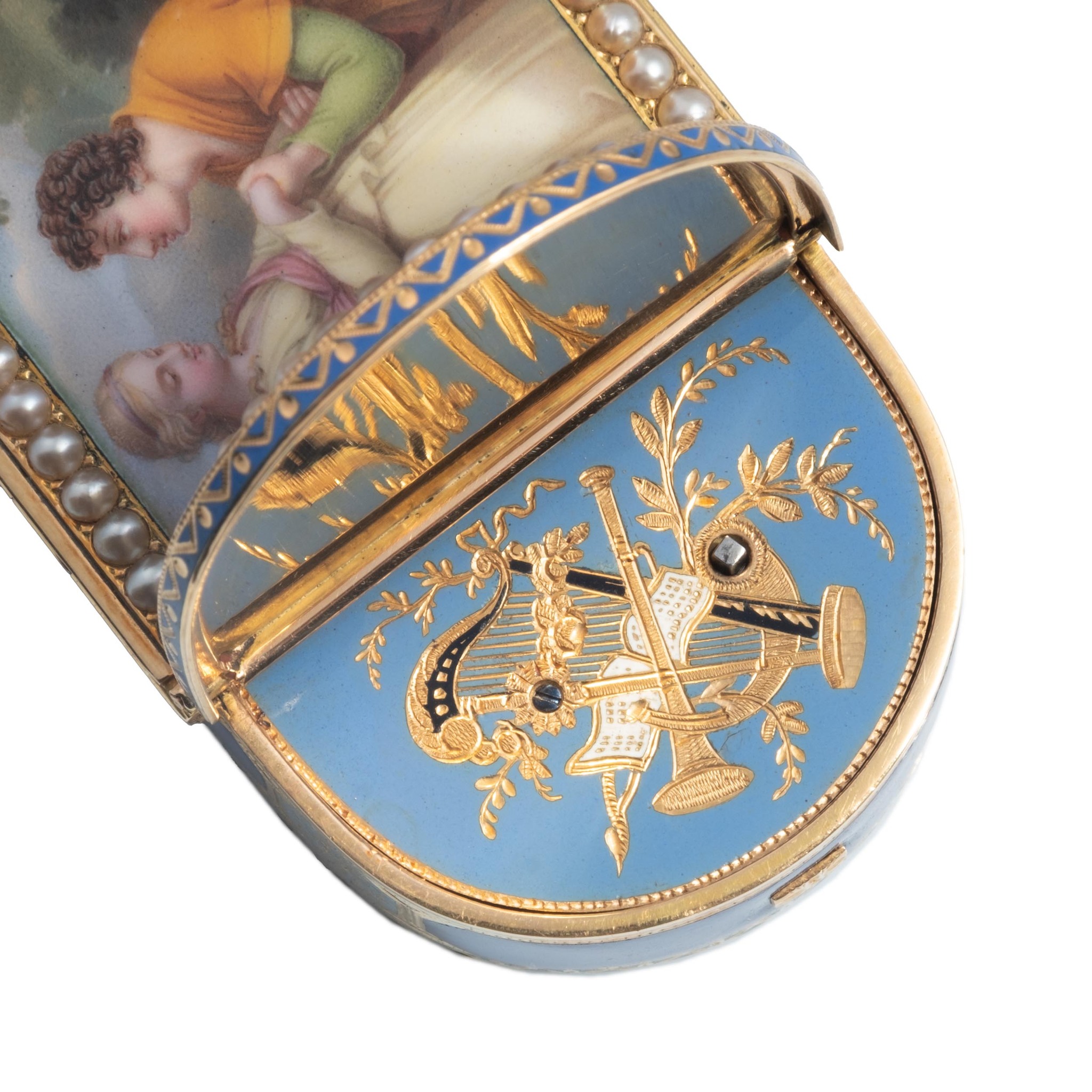
The existence of an almost identical “pair” to the present box, with a mirrored enamel scene and matching decoration, strongly suggests that this musical box was likewise made for export to Asia. The exceptional complexity of its automaton and musical mechanism, together with the quality of its enamel decoration, is characteristic of the finest Geneva objects created for this lucrative market.
The signature “Batard fils” found on the springs of numerous Geneva automata between circa 1788 and 1815 refers to Emmanuel Bastard (1751–1824), a prominent Geneva faiseur de ressorts whose springs were used in a number of highly sophisticated automata.