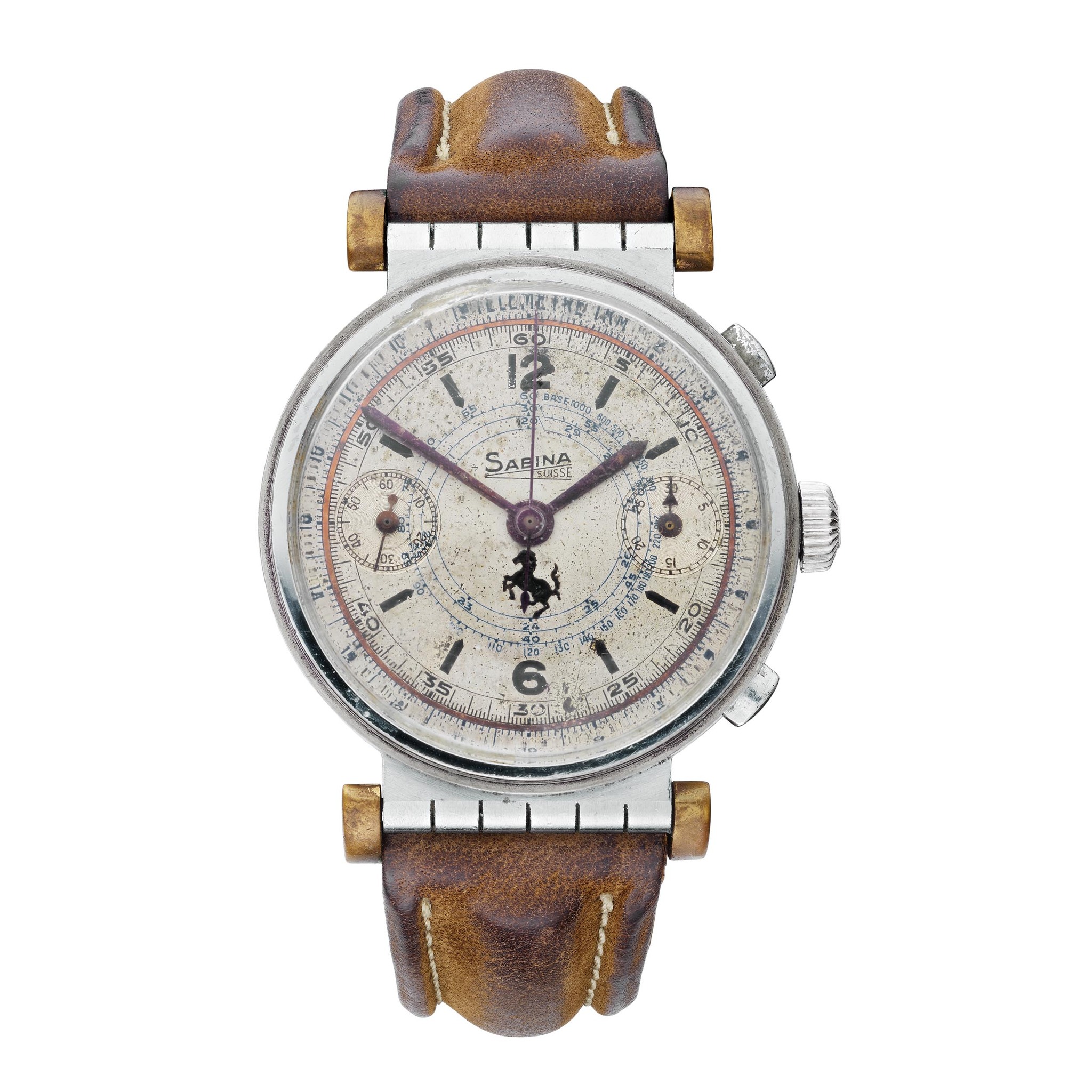
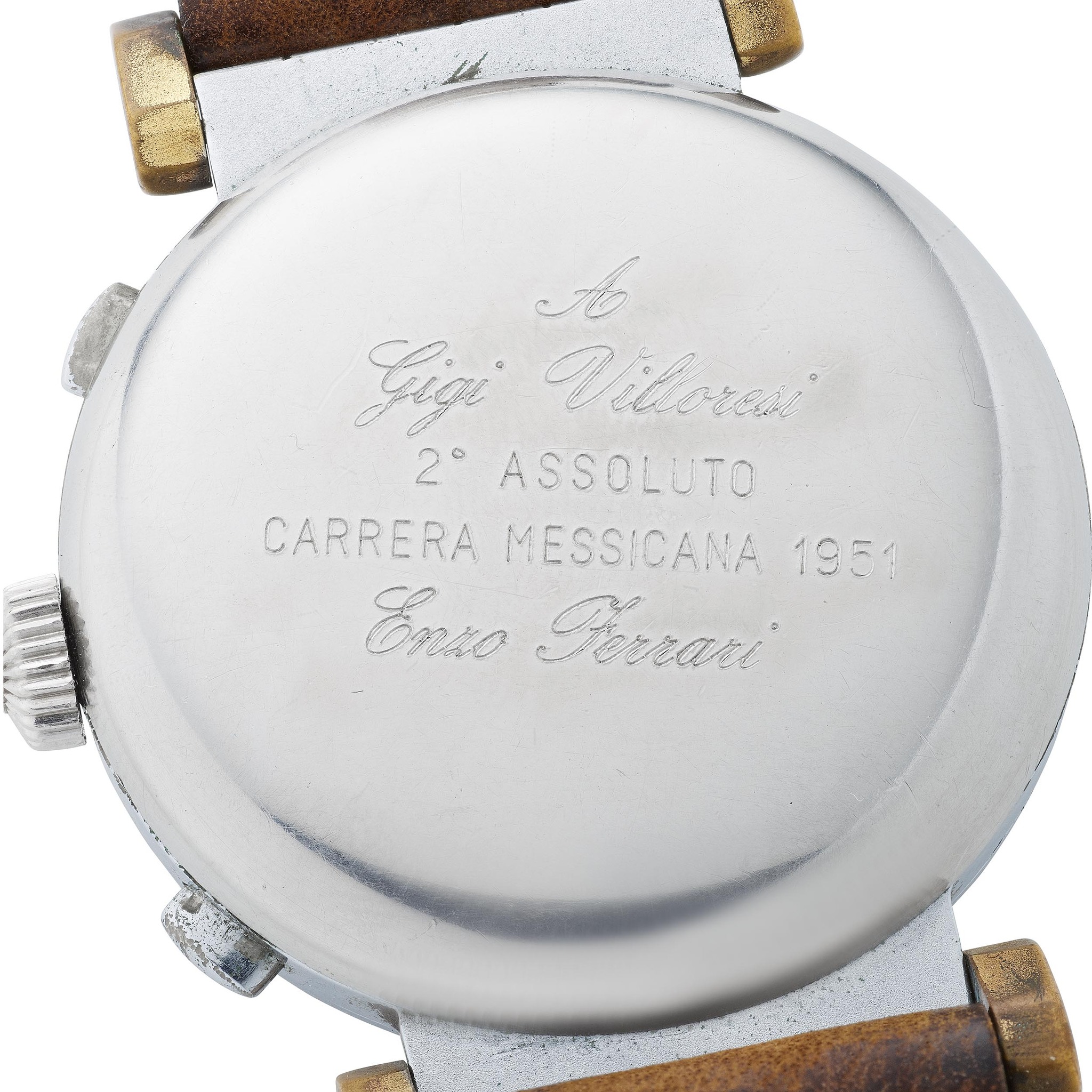
Luigi "Gigi" Villoresi (Milan 1909 – Modena 1997) was the senior figure of Italian racing. A Maserati works driver by 1938 and Italian champion three times over. At the end of the 1940s he joined Ferrari and brought Alberto Ascari with him — the younger man he had mentored. Villoresi was the more elegant driver of the two and spent his best championship years as deputy to his own protégé.
The race behind the engraving
The Carrera Panamericana ran from 20 to 25 November 1951 — eight stages, roughly 1,934 miles of public road climbing out of the jungle at Tuxtla Gutiérrez in Chiapas and finishing at Ciudad Juárez on the Texas border. The organizers had reversed the route and moved it to November specifically to draw professionals once the European and American seasons had closed. It worked.
Ferrari entered two 212 Inter coupés bodied by Vignale. They qualified as road cars on a technicality: 2+2s that Luigi Chinetti cheerfully called "false four-seaters," one of them riding on Jeep rear springs. There was no support operation in any modern sense — the drivers maintained their own cars, under Chinetti's direction, for six days. Piero Taruffi shared chassis 0171 with Chinetti as car #34. Ascari shared chassis 0161 with Villoresi as car #9.
The opening leg to Oaxaca was carnage. Two competitors and six spectators were killed before the field reached the first overnight halt. Lancia's two-car entry failed to finish at all.
The Ferraris came home first and second overall, the winning car in 21 hours, 57 minutes and 52 seconds of racing, with Ascari and Villoresi immediately behind. It was the most ambitious foreign campaign the four-year-old company had yet attempted, and it made Ferrari's name in the Americas at the exact moment Enzo needed a market there.
Writing about him years afterward, Enzo Ferrari called Villoresi "a real champion, both in terms of style and daring," and named him the long-standing pride of his native Milan. He added, in the same breath and entirely in character, that Gigi was a cunning operator who knew how to work both his machinery and his rivals' weaknesses right to the edge of what was fair.
It is a rare opportunity to acquire this historical piece for any racing enthusiasts and vintage car collectors alike.